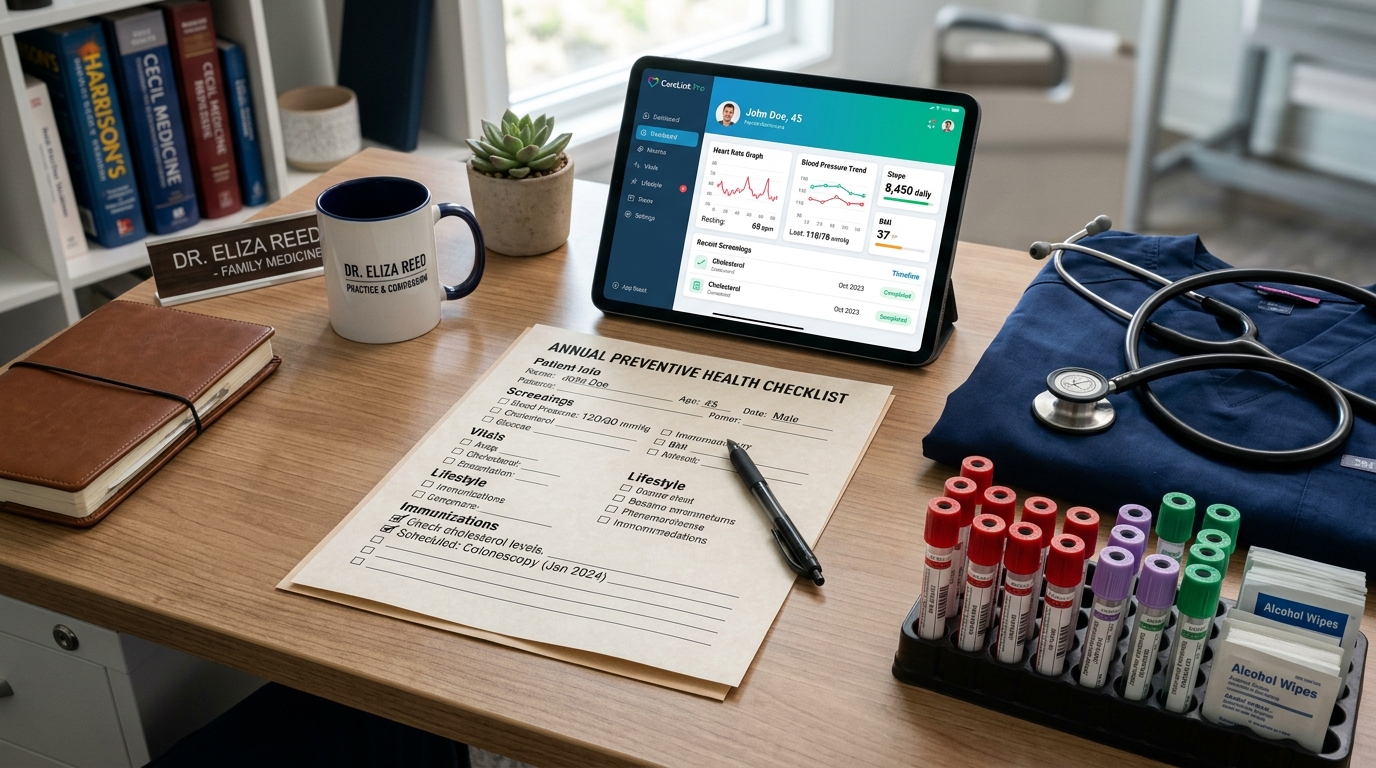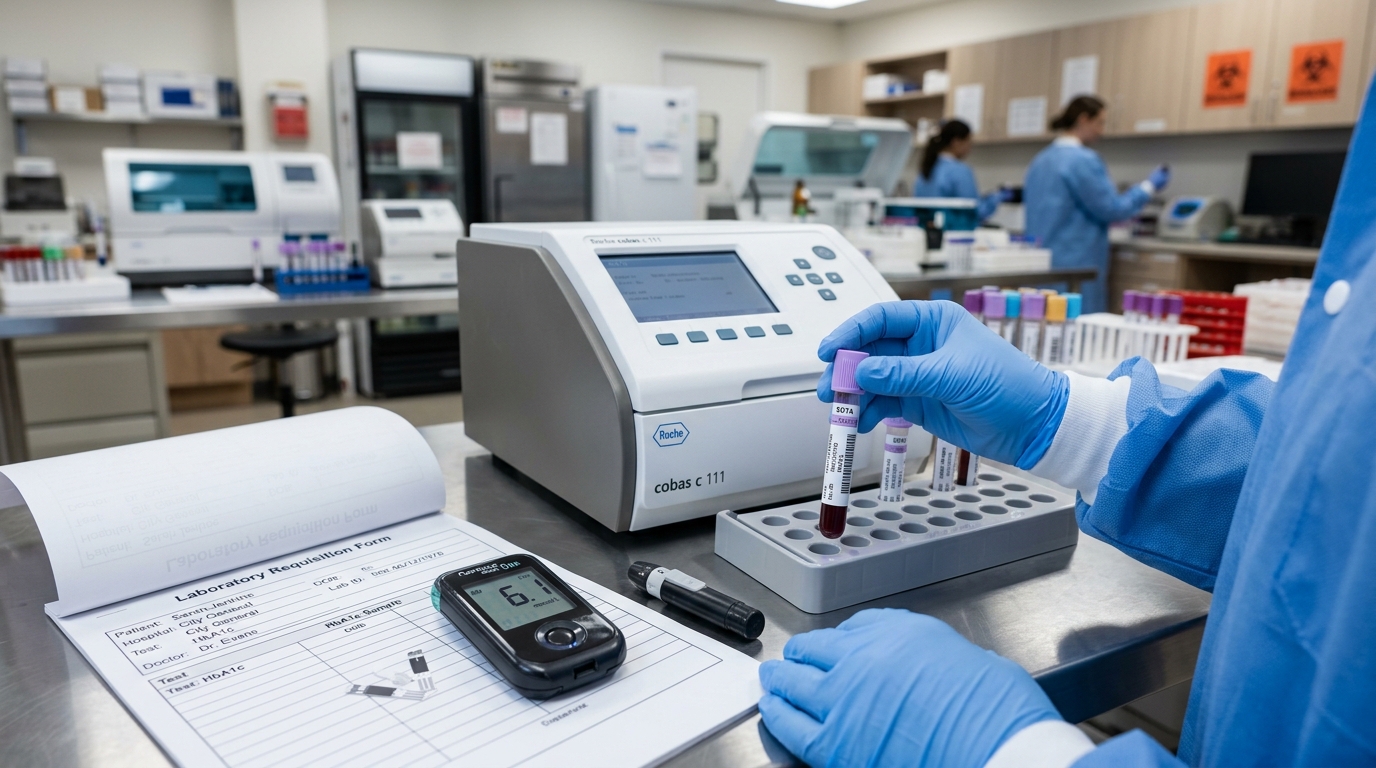

A full body health checkup is a comprehensive diagnostic evaluation designed to assess the baseline physiological health of your vital organ systems—including the heart, liver, kidneys, thyroid gland, and metabolic pathways—before any physical symptoms appear. Most life-threatening chronic conditions, such as coronary artery disease, type 2 diabetes, chronic kidney disease, and non-alcoholic fatty liver, develop silently over several years without causing pain or noticeable discomfort. By the time noticeable symptoms occur, organ damage is frequently advanced. A structured annual checkup establishes your individual biological baseline, pinpoints subtle deviations, and empowers timely medical intervention.
What Is a Full Body Health Checkup?
In modern clinical practice, a full body health checkup is not a single test; rather, it is an integrated battery of specialized hematology, biochemistry, and urinalysis panels. When combined, these laboratory markers generate a high-resolution map of your internal physiological state.
Unlike symptom-driven sick visits—where a physician orders isolated tests to diagnose an active complaint like an acute fever or localized joint pain—a preventive full body checkup operates proactively. It assesses metabolic balance, systemic inflammation, cellular oxygen transport, toxic waste clearance, and hormonal equilibrium simultaneously. This multi-system perspective is crucial because human organ systems are profoundly interconnected: untreated insulin resistance impairs liver lipid processing, which in turn accelerates arterial plaque formation and places continuous filtration stress on the renal glomeruli. For those seeking comprehensive testing, exploring a structured Complete Health Checkup package is the most efficient diagnostic starting point.
Which Tests Are Typically Included?
A medically rigorous full body health checkup typically encompasses between 60 to 75 vital biomarkers organized into specialized organ panels:
1. Complete Blood Count (CBC with ESR)
The Complete Blood Count (CBC) evaluates cellular components in circulating blood. It quantifies red blood cells (RBCs), hemoglobin concentration, hematocrit (PCV), red cell indices (MCV, MCH, MCHC, RDW), total white blood cells (WBCs) with absolute differential counts (neutrophils, lymphocytes, monocytes, eosinophils, basophils), and platelets. This panel identifies iron-deficiency anemia, occult blood loss, acute bacterial or viral infections, bone marrow disorders, and bleeding abnormalities.
2. Fasting Blood Glucose & HbA1c (Glycemic Profile)
Evaluating blood glucose requires both a point-in-time fasting blood sugar measurement and an HbA1c (Glycated Hemoglobin) test. While fasting glucose indicates your morning baseline, HbA1c quantifies the percentage of hemoglobin bound to glucose over the 90-to-120-day lifespan of red blood cells. This dual assessment reliably uncovers prediabetes and early insulin resistance years before fasting glucose crosses diabetic thresholds.
3. Complete Lipid Profile (Cardiovascular Risk)
The Lipid Profile test measures Total Cholesterol, High-Density Lipoprotein (HDL, the protective scavenger cholesterol), Low-Density Lipoprotein (LDL, the atherogenic particle that deposits into arterial walls), Very Low-Density Lipoprotein (VLDL), and Triglycerides. It also calculates critical atherogenic ratios such as Total Cholesterol/HDL and LDL/HDL, providing a baseline risk assessment for coronary artery disease and ischemic stroke.
4. Liver Function Test (LFT Panel)
The Liver Function Test measures circulating levels of hepatic transaminases—SGPT (ALT) and SGOT (AST)—which leak into the bloodstream when hepatocytes suffer cellular stress or injury. It also includes Alkaline Phosphatase (ALP) and Bilirubin (Total, Direct, Indirect) to assess biliary flow, alongside Total Protein, Albumin, and Globulin to determine hepatic protein synthesis capacity.
5. Kidney Function Test (KFT / RFT Panel)
The Kidney Function Test monitors renal filtration and nitrogenous waste excretion. Essential parameters include Serum Creatinine, Blood Urea Nitrogen (BUN), Serum Urea, and Uric Acid. These values are used to compute the Estimated Glomerular Filtration Rate (eGFR), the clinical gold standard for identifying early-stage chronic kidney disease.
6. Thyroid Profile (TSH, Total T3, Total T4)
The Thyroid Profile assesses the master regulator of basal metabolic rate. Thyroid Stimulating Hormone (TSH) is the primary screening marker; elevated TSH indicates primary hypothyroidism (sluggish metabolism, fatigue, weight gain), while suppressed TSH signals hyperthyroidism (rapid heartbeat, anxiety, unintentional weight loss).
7. Vital Micronutrients (Vitamin D3 & Vitamin B12)
Modern lifestyle patterns and dietary constraints have caused rampant micronutrient deficiencies. Vitamin D3 (25-Hydroxy) is vital for bone mineralization, calcium homeostasis, and immune resilience. Vitamin B12 is essential for myelin sheath integrity, peripheral nerve conduction, and red blood cell maturation.
8. Urine Routine & Microscopic Examination
Urinalysis serves as a non-invasive window into renal health and metabolic function. It checks for proteinuria (microalbuminuria signaling glomerular leakage), glucosuria, hematuria (microscopic red blood cells), leukocyte esterase (urinary tract infection), and sediment casts.
Key Parameters & Clinical Significance
The following table summarizes the core diagnostic parameters included in a standard preventive full body checkup, their reference targets for healthy adults, and clinical indications of abnormal values:
| Organ Panel | Key Biomarker | Standard Reference Target | What Abnormal Values May Indicate |
|---|---|---|---|
| Hematology | Hemoglobin (Hb) | Men: 13.0–17.0 g/dL Women: 12.0–15.5 g/dL |
Low: Iron-deficiency anemia, occult GI bleeding, chronic disease. High: Polycythemia, chronic hypoxia, dehydration. |
| Glycemic Control | HbA1c | < 5.7% (Normal) 5.7% – 6.4% (Prediabetes) |
≥ 6.5%: Diagnostic for Type 2 Diabetes. Indicates progressive beta-cell dysfunction and elevated microvascular complication risk. |
| Cardiovascular | LDL Cholesterol | < 100 mg/dL (< 70 mg/dL in high-risk patients) | Elevated LDL oxidizes within vascular intima, triggering atheromatous plaque formation and increasing myocardial infarction risk. |
| Cardiovascular | Triglycerides | < 150 mg/dL | High: Insulin resistance, metabolic syndrome, high simple carbohydrate intake, elevated pancreatitis risk when > 500 mg/dL. |
| Hepatic (Liver) | SGPT (ALT) | 7–56 U/L | Elevated: Non-alcoholic fatty liver disease (NAFLD), toxic hepatitis, alcohol-induced injury, drug toxicity. |
| Renal (Kidney) | Serum Creatinine | 0.6–1.2 mg/dL | Elevated: Reduced glomerular filtration rate (GFR), acute kidney injury, chronic kidney disease, severe dehydration. |
| Endocrine | TSH | 0.45–4.50 μIU/mL | High (> 4.5): Subclinical or clinical hypothyroidism. Low (< 0.4): Hyperthyroidism or excessive exogenous thyroid hormone. |
| Micronutrient | Vitamin D (25-OH) | 30.0–100.0 ng/mL | < 20 ng/mL: Severe deficiency leading to osteomalacia, impaired calcium absorption, muscle weakness, and fatigue. |
Who Should Get a Full Body Checkup?
While preventive testing is beneficial for every adult, specific demographic and clinical risk groups have heightened indications for regular full body screening:
- All Adults Aged 30 and Above: Metabolic deceleration typically begins in the early 30s. Establishing a reliable baseline during this decade allows physicians to detect early trends in blood pressure, fasting lipids, and glycemic metrics before irreversible vascular stiffness sets in. See our dedicated Health Checkup After 40 Guide for midlife screening details.
- Individuals with a Family History of Chronic Illness: If first-degree relatives (parents or siblings) have a history of premature coronary artery disease (under age 55 in men, under 65 in women), type 2 diabetes, hypertension, or thyroid disorders, annual screening is essential starting in the mid-20s.
- Corporate & Sedentary Professionals: Prolonged desk work (exceeding 8 hours daily), irregular sleep schedules, chronic workplace stress, and reliance on processed diets significantly elevate the incidence of visceral adiposity and silent fatty liver.
- Individuals Experiencing Unexplained Fatigue or Weight Fluctuations: Subclinical thyroid dysfunction, chronic micronutrient depletion (B12 and D3), and occult anemia frequently present with non-specific fatigue, brain fog, and muscle aches.
- Smokers and Regular Alcohol Consumers: Chronic tobacco exposure accelerates vascular endothelial dysfunction, while regular alcohol intake strains hepatic enzyme synthesis and elevates serum triglycerides.
How Often Should You Get Screened?
The optimal frequency for a full body health checkup depends primarily on chronological age, existing biometric markers, and overall risk profile:
- Healthy Adults Under 30 (Asymptomatic, No Family History): Every 2 to 3 years is generally sufficient to check basic lipid, hematology, and glucose parameters.
- Adults Aged 30 to 49: An annual comprehensive health checkup is strongly recommended to monitor cardiovascular, hepatic, and metabolic trajectories. Learn more in our guide on how often to get a health checkup.
- Adults Aged 50 and Above: Annual comprehensive checkups should be expanded to include resting ECG, cardiac risk markers, kidney filtration monitoring, and age-appropriate cancer screenings. Review our Health Checkup After 50 Guide.
- Individuals with Diagnosed Chronic Conditions: Patients with hypertension, diabetes, or dyslipidemia require targeted monitoring (such as HbA1c and lipid panels) every 3 to 6 months, alongside an annual comprehensive multi-organ audit.
How to Prepare for Your Checkup
Pre-analytical preparation is critical for ensuring reliable laboratory results. Following these evidence-based preparation rules prevents misleading spikes or drops in your test values:
- Maintain Strict 10 to 12 Hours Overnight Fasting: Do not consume food, milk, tea, coffee, or juice after dinner. Fasting is mandatory because recent caloric intake triggers rapid increases in serum glucose and triglyceride-rich chylomicrons.
- Drink Adequate Plain Water: You are encouraged to drink plain water during the fasting window. Good hydration expands intravascular volume, making venipuncture smooth and preventing artificial elevation of hematocrit and creatinine due to hemoconcentration.
- Avoid Strenuous Exercise 24 Hours Prior: Intense resistance training or prolonged endurance exercise can cause temporary micro-tears in muscle fibers, causing temporary elevations in SGOT (AST), serum creatinine, and lactate dehydrogenase (LDH).
- Refrain from Alcohol for 48 Hours: Alcohol consumption alters liver enzyme synthesis, transiently spikes serum triglycerides, and disrupts uric acid clearance.
- Medication Protocols: Take routine blood pressure medication with a sip of water unless specifically instructed otherwise by your doctor. However, hold morning doses of oral diabetes medications or insulin until after the blood draw to prevent hypoglycemia during the fasting period. If taking Biotin supplements, pause them for 48 hours beforehand to avoid interference with thyroid immunoassays. Delhi NCR residents can also take advantage of convenient doorstep blood sample collection to complete fasting draws right from home.
How Doctors Interpret Abnormal Findings
Receiving an abnormal value on a lab report does not always signify a permanent disease. Diagnostic markers are interpreted as pieces of a clinical puzzle rather than isolated verdicts:
- Contextual Correlation: A mildly elevated SGPT (ALT) of 62 U/L in an asymptomatic, non-drinking adult is frequently evaluated in conjunction with ultrasound imaging of the abdomen to confirm Grade 1 hepatic steatosis (fatty liver), which is largely reversible through dietary modification.
- Trend Analysis: A steady annual increase in fasting blood sugar from 88 mg/dL to 98 mg/dL—even while still technically within the "normal" range under 100 mg/dL—signals progressive insulin resistance that warrants proactive lifestyle intervention long before prediabetes manifests.
- Post-Test Clinical Consultation: Always review your diagnostic reports with a qualified physician. Self-diagnosis or initiating unverified supplements based on raw laboratory data can delay necessary clinical care.
Know Your Complete Health Status with Certified Diagnostics
Book Mission100's doctor-curated Complete Health Checkup with free doorstep blood collection across Delhi NCR, certified cold-chain transport, and same-day digital pathologist reports.
Frequently Asked Questions
Common clinical questions answered by Mission100 physicians.
A routine blood test evaluates one or two specific biomarkers (such as checking hemoglobin or a random blood sugar). A full body checkup is an integrated multi-panel assessment that simultaneously evaluates the functional status of all major organ systems—including the heart, liver, kidneys, thyroid gland, immune system, and micronutrient stores.
This article is grounded in peer-reviewed clinical literature and guidelines from leading healthcare authorities:
- [1](2024). "Guidelines for Management of Type 2 Diabetes and Cardiovascular Risk in India".
- [2](2023). "Screening and Early Diagnosis of Noncommunicable Diseases".
- [3](2023). "Evidence-Based Preventive Healthcare and Routine Diagnostic Testing".
This content is for general informational and educational purposes only and does not substitute for professional medical advice, diagnosis, or treatment. Always seek the advice of a qualified physician or certified healthcare provider with any questions regarding medical conditions or diagnostic tests.