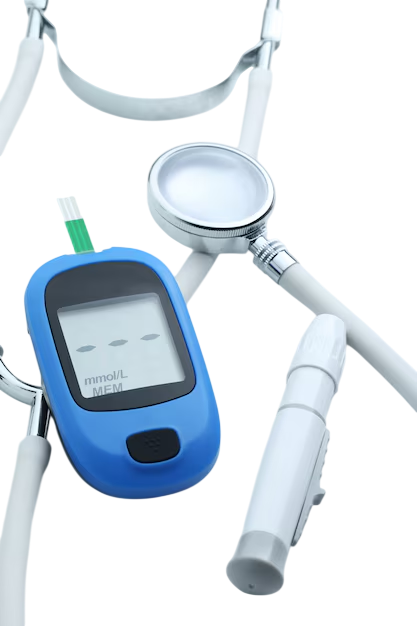
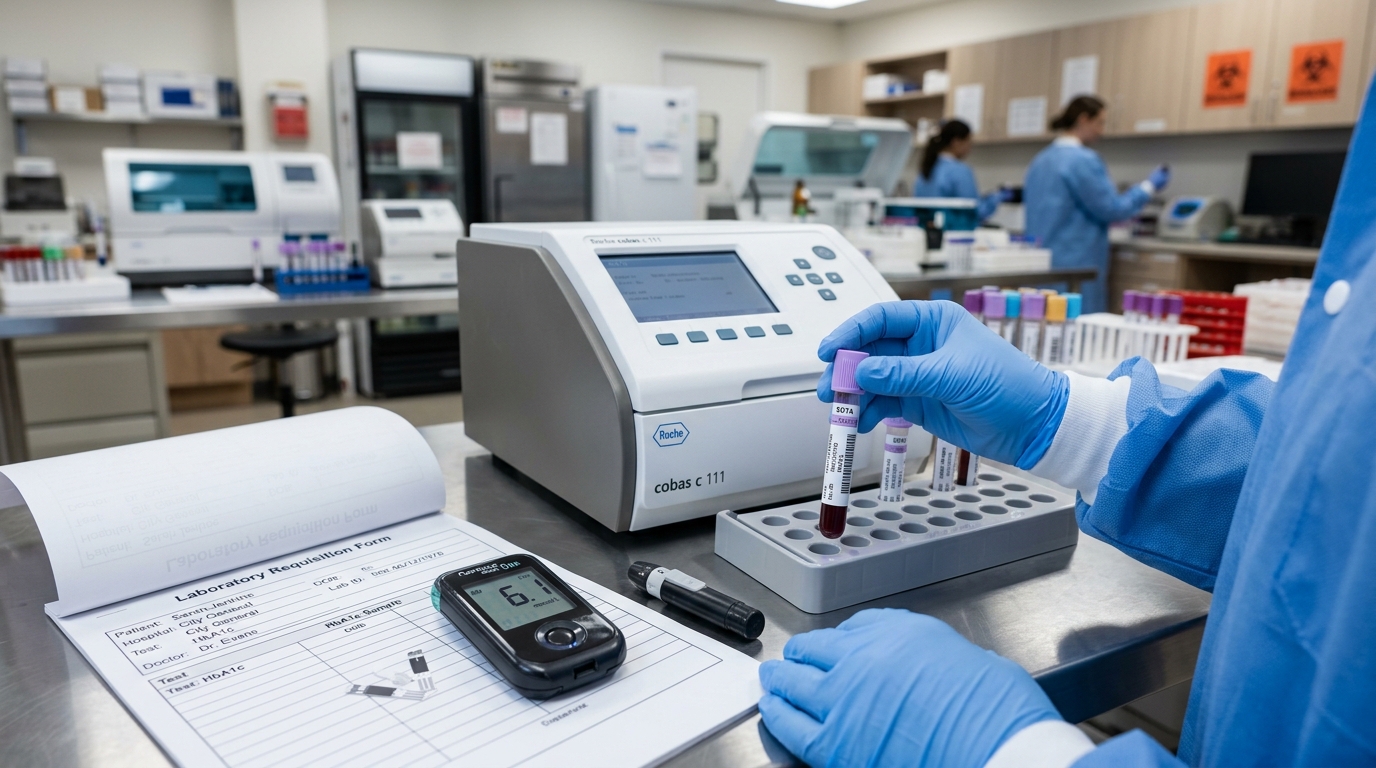
The HbA1c test (glycated hemoglobin or A1c) is the international clinical gold standard for diagnosing prediabetes and type 2 diabetes, as well as monitoring long-term glycemic control in diagnosed patients. Unlike a standard fingerprick or fasting glucose test that captures only a single fleeting snapshot of your blood sugar at the exact moment of sampling, HbA1c reflects your cumulative average blood glucose over the preceding 2 to 3 months. Understanding your HbA1c value provides critical insight into your metabolic trajectory and allows you to intercept diabetes before vascular damage occurs.
What Is the HbA1c Test?
Hemoglobin is the iron-containing protein located inside your red blood cells responsible for carrying oxygen from your lungs to every tissue in your body. When glucose circulates in your bloodstream, a percentage of it naturally binds to hemoglobin through a slow, non-enzymatic chemical reaction called glycation.
Once glucose molecules attach to hemoglobin, they remain permanently bound for the remainder of the red blood cell's lifespan—which averages approximately 120 days. The higher the concentration of glucose in your bloodstream over time, the higher the proportion of glycated hemoglobin (HbA1c) in your circulation. By measuring this percentage, laboratory analyzers provide a stable, weighted average of your blood glucose over the past 8 to 12 weeks, with the most recent 30 days contributing roughly 50% to the overall score. You can book an HbA1c blood test at home with Mission100.
The Science: How Glycation Works
In healthy individuals with normal insulin sensitivity, the pancreas releases insulin in precise pulses to facilitate glucose uptake into muscle, liver, and adipose cells. Consequently, circulating blood sugar levels stay within a narrow physiological band (typically 70 to 140 mg/dL across fasting and post-meal states), keeping HbA1c below 5.7%.
However, when systemic insulin resistance develops, target tissues fail to respond adequately to insulin signaling. Glucose accumulates in the bloodstream, leading to extended periods of hyperglycemia. This ambient glucose binds inexorably to the N-terminal valine of the hemoglobin beta-chain, forming irreversible Advanced Glycation End-products (AGEs). These AGEs cross-link with collagen in blood vessel walls, stiffening arterial architecture, damaging retinal capillaries, and inducing microalbuminuria in the kidneys.
HbA1c Ranges & Estimated Average Glucose (eAG)
The American Diabetes Association (ADA) and international endocrine societies classify HbA1c test results into three distinct diagnostic categories. Clinicians also convert HbA1c percentages into Estimated Average Glucose (eAG) in mg/dL to help patients relate their A1c to daily glucometer readings:
| HbA1c Level (%) | Diagnostic Category | Estimated Average Glucose (eAG) | Clinical Implication & Action Plan |
|---|---|---|---|
| < 5.7% | Normal (Non-Diabetic) | < 117 mg/dL | Optimal metabolic health. Maintain balanced nutrition, physical activity, and annual preventive health checkups. |
| 5.7% to 6.4% | Prediabetes (Impaired Glucose) | 117 to 137 mg/dL | High risk of progression to full type 2 diabetes. Immediate lifestyle intervention (dietary modifications, resistance exercise, weight reduction) can reverse prediabetes. |
| 6.5% to 7.0% | Diabetes (Well-Controlled Target) | 140 to 154 mg/dL | Diagnostic threshold for diabetes. For diagnosed patients on therapy, < 7.0% is the standard target to prevent long-term microvascular complications. |
| 7.1% to 8.0% | Diabetes (Moderate Control) | 157 to 183 mg/dL | Sub-optimal control. Requires review of pharmacological therapy, dietary adherence, and physical activity with an endocrinologist. |
| > 8.0% | Diabetes (Poor Control / High Risk) | > 183 mg/dL | Significantly elevated risk of diabetic nephropathy, retinopathy, peripheral neuropathy, and accelerated coronary atherosclerosis. Immediate medical titration required. |
HbA1c vs. Fasting Blood Glucose: Key Differences
Many patients wonder why their fasting blood sugar reading might appear normal while their HbA1c is elevated, or vice versa. The two tests measure fundamentally different aspects of glucose metabolism:
- Fasting Blood Glucose: Reflects only the acute circulating glucose in your blood after an overnight fast. It is highly susceptible to short-term fluctuations caused by acute stress, poor sleep the night before, minor illnesses, or changes in your dinner the previous evening.
- HbA1c: Immune to short-term day-to-day fluctuations. You cannot "trick" an HbA1c test by eating clean for two days before your appointment, because it measures the permanent glycosylation of red blood cells accumulated over the entire prior season.
- Postprandial Glucose Spikes: In the early stages of insulin resistance, fasting blood sugar often remains completely normal (under 100 mg/dL) while post-meal glucose spikes sharply to 160–180 mg/dL. Over time, these daily post-meal spikes drive up the HbA1c level even when fasting tests look reassuring. Learn more about these nuances in our guide on Fasting vs PP vs HbA1c differences.
Conditions That Can Falsely Alter HbA1c
Because the HbA1c assay assumes a standard red blood cell survival time of 120 days, any physiological condition that accelerates or prolongs red blood cell turnover can skew the result:
- Conditions that Falsely Lower HbA1c: Hemolytic anemia, acute blood loss, recent blood transfusions, chronic liver disease, and high-dose erythropoietin therapy (due to an artificially high proportion of young red blood cells with less exposure time to glucose).
- Conditions that Falsely Elevate HbA1c: Severe iron-deficiency anemia (which prolongs the lifespan of circulating erythrocytes), vitamin B12 deficiency, splenectomy, and severe hypertriglyceridemia.
- Hemoglobin Variants: Genetic hemoglobin variants (such as Thalassemia trait or Sickle Cell trait) can interfere with certain laboratory assay methods (such as older ion-exchange HPLC). High-performance HPLC and certified immunoassay methods should be used to ensure precision.
Evidence-Based Ways to Lower HbA1c
If your test results indicate prediabetes (5.7%–6.4%) or early diabetes, clinical evidence demonstrates that targeted lifestyle modifications can significantly lower your HbA1c score:
- Adopt Low-Glycemic, High-Fiber Nutrition: Replace refined carbohydrates (white rice, maida, sugary breakfast cereals) with complex whole grains, legumes, green leafy vegetables, and adequate lean protein. Dietary soluble fiber slows carbohydrate digestion, preventing sharp postprandial glucose surges.
- Prioritize Resistance & Zone-2 Aerobic Exercise: Skeletal muscle is the primary site of insulin-mediated glucose disposal in the body. Engaging in progressive resistance training (weight lifting or bodyweight exercises) twice a week combined with 150 minutes of moderate aerobic walking stimulates GLUT4 glucose transporters directly—clearing blood sugar independently of insulin.
- Target 5% to 10% Body Weight Reduction: In overweight individuals, losing just 5% to 7% of baseline body weight substantially decreases intra-hepatic and intra-pancreatic fat, directly restoring beta-cell function and insulin sensitivity.
- Optimize Sleep & Manage Cortisol: Chronic sleep deprivation (under 6 hours per night) and elevated psychological stress trigger sustained cortisol and epinephrine secretion, hormones that prompt the liver to release excess glucose into the blood.
How Often Should You Test?
The recommended frequency for checking HbA1c depends on your current glycemic status:
- Healthy Adults with Normal A1c (< 5.7%): Check once every 12 months as part of an annual blood test panel.
- Individuals with Prediabetes (5.7%–6.4%): Check every 6 months to evaluate the efficacy of lifestyle modifications and ensure the condition is not progressing.
- Diagnosed Diabetic Patients with Stable Control: Check every 6 months.
- Patients Initiating New Medications or Uncontrolled (> 7.0%): Check every 3 months until stable glycemic targets are achieved.
Take Control of Your Blood Sugar with Certified HbA1c Screening
Book an advanced HbA1c and Fasting Glucose test with Mission100. Enjoy painless home blood sample collection in Delhi NCR and verified same-day digital reports.
Frequently Asked Questions
Common clinical questions answered by Mission100 physicians.
No. Fasting is not required for an HbA1c test because it measures long-term glucose bound to red blood cells over the preceding 90 days. However, if your doctor has ordered HbA1c alongside fasting blood sugar or a lipid profile, you will need to observe a 10 to 12 hour overnight fast for those companion tests.
This article is grounded in peer-reviewed clinical literature and guidelines from leading healthcare authorities:
- [1](2024). "Standards of Care in Diabetes: Classification and Diagnosis of Diabetes".
- [2](2023). "The A1C Test & Diabetes: Clinical Guide for Patients".
This content is for general informational and educational purposes only and does not substitute for professional medical advice, diagnosis, or treatment. Always seek the advice of a qualified physician or certified healthcare provider with any questions regarding medical conditions or diagnostic tests.