Cardiovascular disease (CVD) remains the leading cause of premature mortality worldwide, accounting for nearly one-third of all global deaths. In South Asian populations, this challenge is particularly acute: epidemiological studies demonstrate that individuals of Indian descent experience coronary events 5 to 10 years earlier than Western counterparts, frequently presenting with acute myocardial infarction in their 30s and 40s. Genetic lipoprotein patterns, higher visceral adiposity, smaller coronary artery calibers, and widespread insulin resistance converge to accelerate atheroma formation. A comprehensive Heart Health Checkup combines advanced blood biomarkers with electrical and structural cardiac diagnostics to quantify cardiovascular risk and prevent clinical events.
The South Asian Cardiovascular Vulnerability
Cardiologists frequently refer to the "South Asian Paradox": why do individuals who do not smoke, maintain a vegetarian diet, and have normal BMI suffer unexpected heart attacks? Clinical research points to several distinct physiological factors:
- Atherogenic Dyslipidemia: High circulating triglycerides, low cardioprotective HDL, and a high proportion of small, dense LDL particles that penetrate arterial walls more aggressively.
- Elevated Lipoprotein(a) [Lp(a)]: A genetically determined, highly atherogenic and thrombogenic variant of LDL present at elevated levels in over 25% of the South Asian population.
- Vascular Endothelial Inflammation: Chronic subclinical inflammation—measurable via high-sensitivity C-reactive protein (hs-CRP)—which destabilizes atheromatous plaques and increases rupture risk.
- Metabolic Syndrome & Insulin Resistance: High tendency toward ectopic visceral fat storage around intra-abdominal organs and epicardial fat surrounding the heart.
The Multi-Tiered Cardiac Diagnostic Battery
An effective cardiovascular evaluation incorporates three complementary tiers of diagnostic testing:
Tier 1: Biochemical Blood Biomarkers
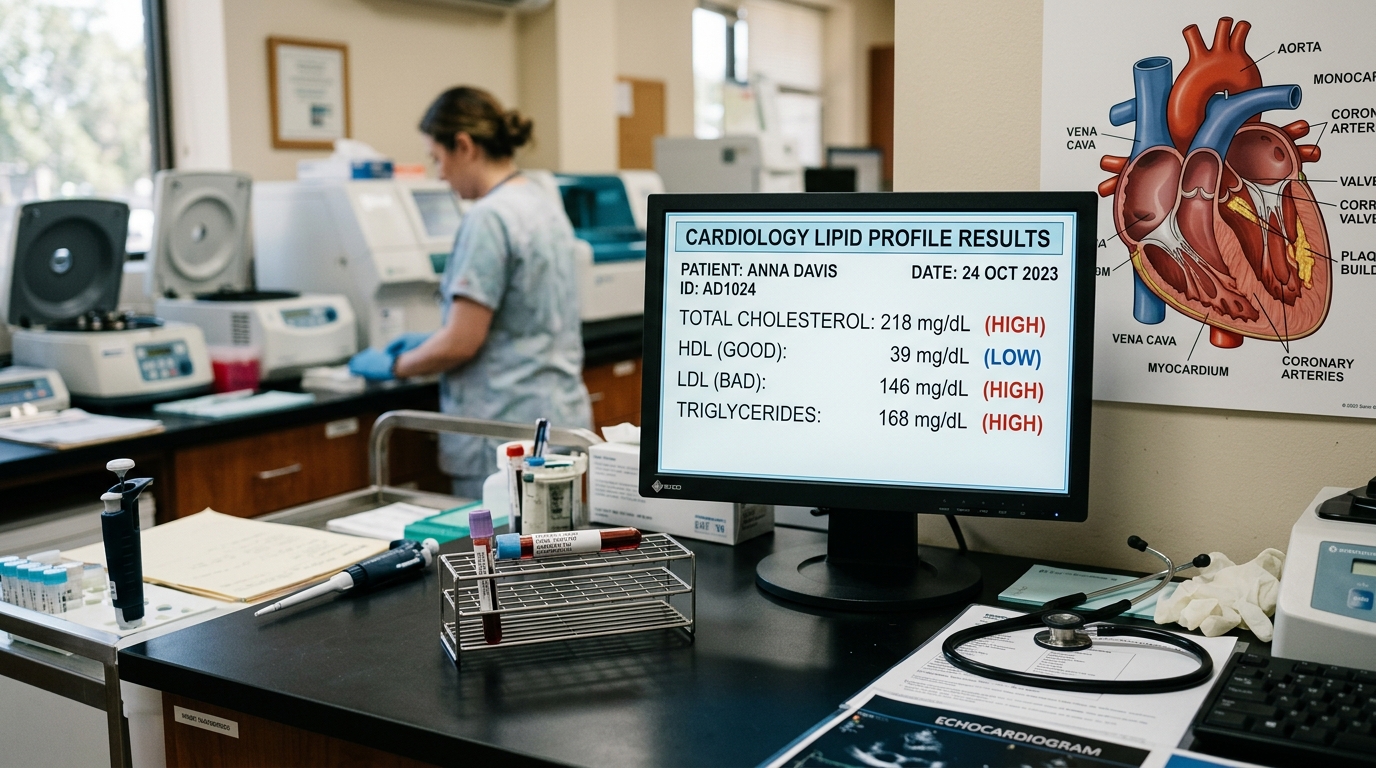
A complete Lipid Profile, HbA1c, Kidney Function (Creatinine/eGFR), and advanced inflammatory and genetic markers (hs-CRP, ApoB, Lp(a)).
Tier 2: Electrical & Hemodynamic Assessment
A resting 12-lead ECG test to evaluate electrical conduction, resting heart rate, and ischemic repolarization changes, combined with multi-positional blood pressure measurements.
Tier 3: Structural & Functional Imaging
A 2D Echocardiogram with Color Doppler to assess left ventricular ejection fraction (LVEF), regional wall motion abnormalities, chamber dimensions, and valvular competence. For individuals with intermediate risk, a Treadmill Stress Test (TMT) or CT Coronary Artery Calcium (CAC) Scan evaluates functional reserve and anatomical calcification. You can book an all-inclusive Heart Checkup at home with Mission100.
Advanced Biomarkers: hs-CRP, ApoB, and Lp(a)
Modern preventive cardiology utilizes advanced biomarkers that provide superior risk prediction compared to basic cholesterol tests alone:
- High-Sensitivity C-Reactive Protein (hs-CRP): Synthesized by the liver in response to interleukin-6, hs-CRP measures low-grade vascular endothelial inflammation. Levels < 1.0 mg/L indicate low cardiovascular risk; 1.0 to 3.0 mg/L indicate moderate risk; and > 3.0 mg/L indicate high risk of future plaque rupture.
- Apolipoprotein B (ApoB): Every atherogenic particle (LDL, VLDL, IDL) carries exactly one ApoB molecule on its surface. Measuring ApoB provides an exact count of circulating plaque-forming particles, outperforming LDL-C in individuals with high triglycerides or diabetes.
- Lipoprotein(a) [Lp(a)]: A genetically fixed particle composed of an LDL-like particle bound to apolipoprotein(a). Elevated Lp(a) (> 50 mg/dL or > 125 nmol/L) is an independent, non-modifiable risk accelerator that warrants aggressive management of all other modifiable risk factors.
Cardiovascular Risk Stratification Matrix
The following matrix outlines how clinicians integrate biomarker findings into risk categories and clinical action protocols:
| Risk Category | Biomarker & Clinical Profile | Estimated 10-Year ASCVD Risk | Recommended Diagnostic & Clinical Action |
|---|---|---|---|
| Low Risk | LDL < 100, hs-CRP < 1.0, BP < 120/80, non-smoker, no family history. | < 5% | Maintain healthy lifestyle; repeat comprehensive screening every 2 to 3 years. |
| Borderline / Intermediate Risk | LDL 130–159, hs-CRP 1.0–3.0, prehypertension, borderline HbA1c, positive family history. | 7.5% – 19.9% | Consider CT Coronary Calcium (CAC) score; initiate lifestyle therapy and consider moderate-intensity statin. |
| High Risk | LDL ≥ 160, hs-CRP > 3.0, diagnosed Type 2 Diabetes, hypertension, ApoB > 100 mg/dL. | ≥ 20% | Aggressive lipid-lowering (target LDL < 70), strict BP control (< 130/80), 2D Echo + TMT stress testing. |
| Very High Risk | Established CAD (prior stent/CABG), acute coronary syndrome history, CKD Stage 3+. | Extremely High Recurrence | Target LDL < 55 mg/dL, dual antiplatelet therapy where indicated, quarterly cardiology reviews. |
Cardiac Imaging & Stress Modalities
Understanding when to progress from blood tests to imaging ensures precise risk assessment:
- 2D Echocardiogram: Essential for checking structural integrity, chamber dimensions, pericardial effusion, and measuring the Left Ventricular Ejection Fraction (normal: 55%–70%).
- CT Coronary Calcium (CAC) Scan: A low-radiation, non-contrast CT scan that quantifies calcified atheroma in coronary arteries (Agatston score). A CAC score of 0 indicates very low 10-year event risk; scores > 100 indicate established coronary atherosclerosis requiring medical therapy.
Evidence-Based Strategies to Protect Your Heart
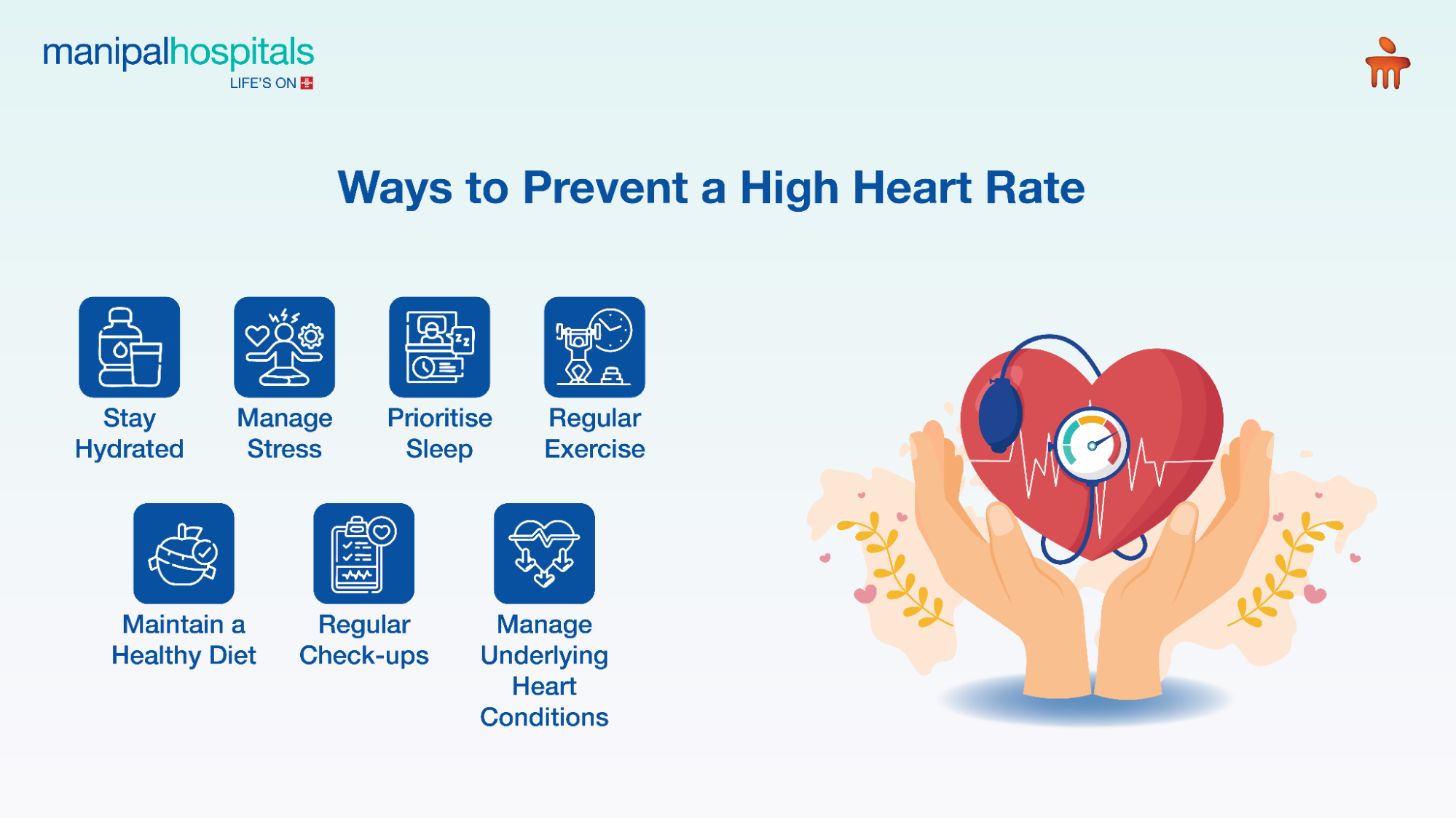
Cardiovascular disease is up to 80% preventable through targeted lifestyle and medical interventions:
- Target Strict Blood Pressure Goals (< 120/80 mmHg): Chronic hypertension stiffens arterial walls and causes micro-fissures in endothelium where lipids deposit.
- Adopt Cardioprotective Dietary Patterns: Follow Mediterranean or DASH dietary principles adapted for Indian cuisine: use cold-pressed mustard or olive oil, eliminate vanaspati/trans fats, consume 30+ grams of dietary fiber daily, and limit sodium intake to under 2,000 mg/day.
- Engage in 150 Minutes of Moderate Aerobic Activity Weekly: Zone-2 aerobic exercise (brisk walking, cycling) increases nitric oxide bioavailability, enhances arterial elasticity, and lowers resting heart rate.
- Stop All Tobacco Exposure: Smoking and chewing tobacco accelerate platelet aggregation, induce coronary vasospasm, and oxidize circulating LDL particles. Learn more in our Preventive Health Checkup Guide.
Protect Your Heart with Advanced Cardiovascular Diagnostics
Book Mission100's comprehensive Heart Health Checkup. Includes Lipid Profile, hs-CRP, HbA1c, 12-lead ECG at home, and certified cardiologist verification.
Frequently Asked Questions
Common clinical questions answered by Mission100 physicians.
A routine checkup assesses general multi-organ function (liver, kidneys, basic counts). A specialized Heart Health Checkup includes advanced cardiovascular biomarkers (hs-CRP, ApoB, Lipoprotein(a)), resting 12-lead ECG, 2D Echocardiography, and cardiovascular risk stratification scoring.
This article is grounded in peer-reviewed clinical literature and guidelines from leading healthcare authorities:
- [1](2024). "Guideline on the Primary Prevention of Cardiovascular Disease".
- [2](2023). "Preventive Cardiology Consensus Statement on Early-Onset CAD in South Asians".
This content is for general informational and educational purposes only and does not substitute for professional medical advice, diagnosis, or treatment. Always seek the advice of a qualified physician or certified healthcare provider with any questions regarding medical conditions or diagnostic tests.