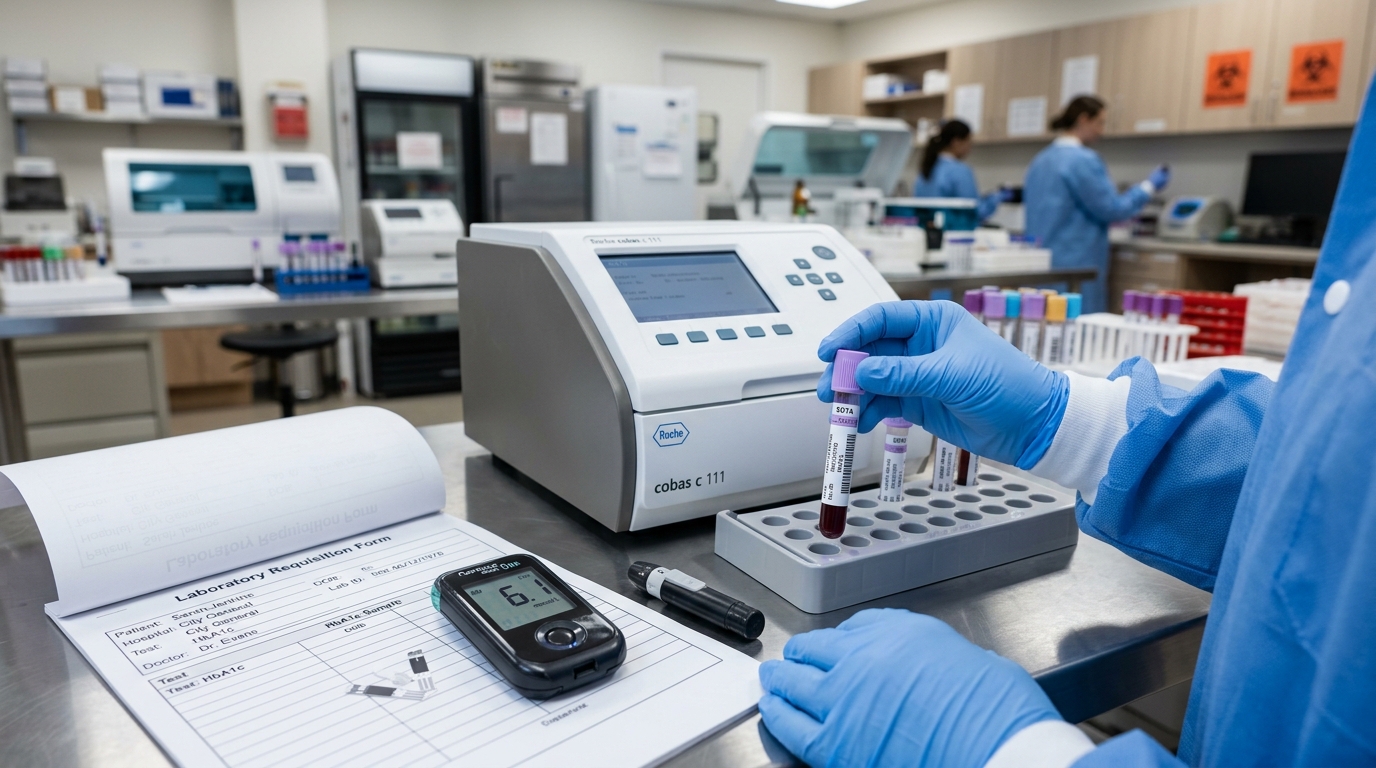
Diagnosing and managing blood sugar disorders requires understanding that glucose metabolism is dynamic, constantly shifting based on circadian rhythms, meal composition, physical activity, and stress hormones. Relying on a single fingerprick reading or an isolated morning fasting test can provide a deceptively reassuring picture while early metabolic dysfunction progresses unnoticed. In clinical endocrinology, three distinct tests—Fasting Blood Glucose (FBG), Postprandial Blood Glucose (PPBS), and Glycated Hemoglobin (HbA1c)—serve as complementary pillars. Understanding the exact role, preparation requirements, and normal reference ranges for each test is essential for preventing and managing diabetes.
Why One Blood Sugar Test Is Never Enough
When you eat food containing carbohydrates, your digestive system breaks them down into glucose, which enters the bloodstream. In response, beta cells in the pancreas secrete insulin to shuttle glucose into skeletal muscle and liver cells for energy or glycogen storage. Between meals and during overnight sleep, the liver slowly releases stored glucose (glycogenolysis and gluconeogenesis) to keep baseline brain and organ function steady.
Because these physiological processes operate under different hormonal controls, a person can have a completely normal fasting blood sugar (under 100 mg/dL) while simultaneously experiencing severe post-meal spikes (over 180 mg/dL) due to impaired first-phase insulin secretion. Triangulating Fasting, PP, and HbA1c reveals the full spectrum of metabolic health. You can book an advanced diabetes screening at home with Mission100.
1. Fasting Blood Glucose (FBG)
What It Measures: Basal glucose concentration after at least 8 to 10 hours of overnight fasting, reflecting baseline hepatic glucose output under the influence of basal insulin.
- Normal Range: 70 to 99 mg/dL.
- Impaired Fasting Glucose (Prediabetes): 100 to 125 mg/dL.
- Diabetes Diagnostic Cutoff: ≥ 126 mg/dL (confirmed on two separate testing occasions).
- Preparation Rule: No food, milk, tea, or coffee for 8 to 10 hours prior; plain water is encouraged.
2. Postprandial Blood Glucose (PPBS)
What It Measures: Blood glucose concentration exactly 2 hours after beginning a standard meal. It evaluates your pancreas's ability to produce an acute burst of insulin and your peripheral tissues' sensitivity to clear circulating glucose.
- Normal Range: < 140 mg/dL for non-diabetic adults.
- Impaired Glucose Tolerance (Prediabetes): 140 to 199 mg/dL.
- Diabetes Diagnostic Cutoff: ≥ 200 mg/dL.
- Critical Timing Rule: The 2-hour clock starts from the first bite of your meal, not when you finish eating. The meal should be your habitual, balanced meal.
3. HbA1c (Glycated Hemoglobin)
What It Measures: The percentage of hemoglobin proteins in red blood cells that are permanently bonded with glucose, providing a 3-month weighted average of glycemic exposure.
- Normal Range: < 5.7%.
- Prediabetes: 5.7% to 6.4%.
- Diabetes Diagnostic Cutoff: ≥ 6.5%.
- Preparation Rule: No fasting required; can be tested at any time of day. Learn more in our dedicated HbA1c normal range guide.
Comprehensive Comparison: Fasting vs. PP vs. HbA1c
The following table summarizes the key diagnostic differences between the three primary glucose tests:
| Feature | Fasting Blood Sugar (FBG) | Postprandial Glucose (PPBS) | HbA1c (Glycated Hemoglobin) |
|---|---|---|---|
| Timeframe Measured | Single point in time (morning basal). | Single point in time (2 hours post-meal). | Weighted average over past 90 to 120 days. |
| Fasting Requirement | Yes: 8–10 hours overnight fast. | Eat habitual meal; test exactly 2 hours later. | No: Can be tested anytime. |
| Normal Healthy Range | 70–99 mg/dL | < 140 mg/dL | < 5.7% |
| Prediabetes Range | 100–125 mg/dL | 140–199 mg/dL | 5.7% – 6.4% |
| Diabetes Cutoff | ≥ 126 mg/dL | ≥ 200 mg/dL | ≥ 6.5% |
| Vulnerability to Stress | High (poor sleep, acute illness alter reading). | Moderate (meal size/composition alters reading). | Very Low (immune to short-term day-to-day spikes). |
| Clinical Strength | Detects basal hepatic insulin resistance. | Detects early post-meal glucose clearance failure. | Gold standard for long-term chronic complication risk. |
The Oral Glucose Tolerance Test (OGTT)
The Oral Glucose Tolerance Test is a specialized diagnostic protocol used when borderline results require definitive confirmation, and is the standard screening test for Gestational Diabetes Mellitus (GDM) in pregnant women. After a fasting blood sample is drawn, the patient drinks a standardized solution containing 75 grams of anhydrous glucose dissolved in water. Blood samples are drawn at 1-hour and 2-hour intervals to assess the body's glycemic clearance under a standardized metabolic challenge.
Which Test Should You Book?
- For Routine Annual Screening in Asymptomatic Adults: Book a package combining Fasting Blood Sugar + HbA1c as part of a Full Body Checkup.
- For Diagnosed Diabetic Patients Monitoring Treatment: Test Fasting + PP Blood Sugar monthly or bi-monthly, and check HbA1c every 3 to 6 months.
- For Pregnant Women (24–28 Weeks Gestation): Complete a standardized Oral Glucose Tolerance Test (OGTT).
Book Your Fasting, PP, and HbA1c Diabetes Profile at Home
Get a comprehensive picture of your blood sugar health. Certified home collection in Delhi NCR with dual morning collection slots and same-day verified digital reports.
Frequently Asked Questions
Common clinical questions answered by Mission100 physicians.
As soon as food enters your mouth and stomach, digestive hormones (incretins like GLP-1) signal the pancreas to release insulin. Starting the 2-hour clock from the first bite standardizes the physiological timeline of digestion and glucose absorption.
This article is grounded in peer-reviewed clinical literature and guidelines from leading healthcare authorities:
- [1](2024). "Standards of Medical Care in Diabetes: Glycemic Targets and Diagnostic Testing".
- [2](2023). "Definition and Diagnosis of Diabetes Mellitus and Intermediate Hyperglycemia".
This content is for general informational and educational purposes only and does not substitute for professional medical advice, diagnosis, or treatment. Always seek the advice of a qualified physician or certified healthcare provider with any questions regarding medical conditions or diagnostic tests.